IPOPI launches policy recommendations to strengthen EU action on PIDs and SIDs
IPOPI has launched its policy recommendations, “When Rare Meets the Not-So-Rare: Strengthening EU Action on Primary and Secondary Immunodeficiencies”, calling for stronger European action to improve diagnosis, treatment and care for people living with primary immunodeficiencies (PIDs) and secondary immunodeficiencies (SIDs).
The recommendations identify five key areas for action: strengthening early and accurate diagnosis; ensuring equitable and sustained access to treatment; bridging rare disease and cancer policy frameworks; addressing the psychological and social impact of immunodeficiencies; and strengthening EU research, training and data collaboration.
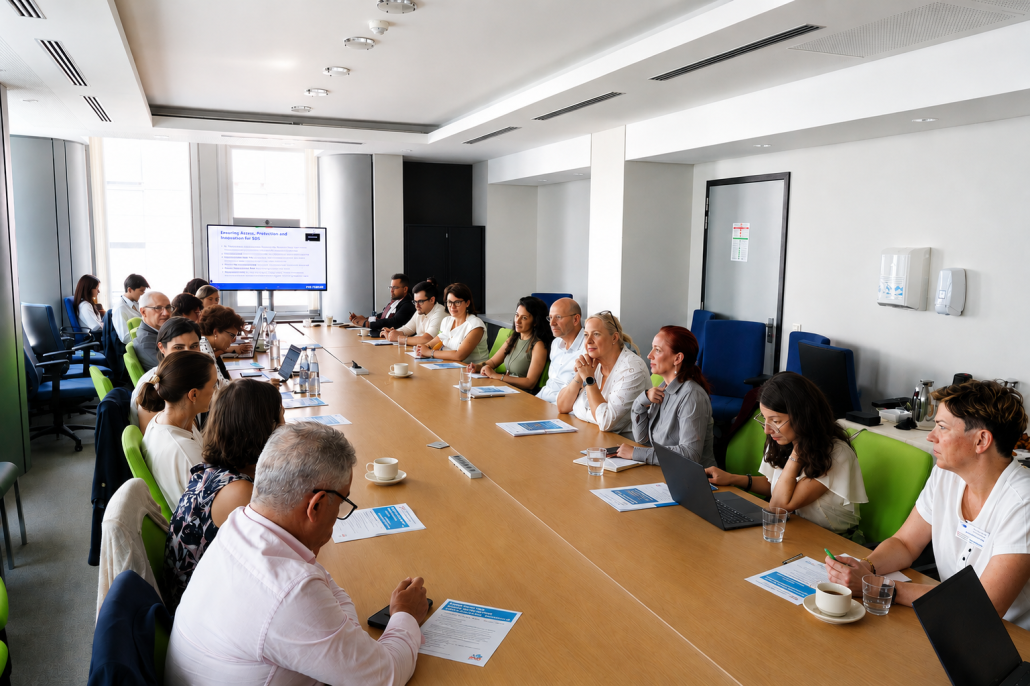
The recommendations build on discussions held during IPOPI’s PID Forum, “Rare and Not-So-Rare: Shaping EU Policy for Primary and Secondary Immunodeficiencies”, which took place at the European Parliament in Brussels (Belgium) on 23 June 2026. Hosted by MEP Romana Jerković (S&D, Croatia) and moderated by Leire Solis, IPOPI’s Health Policy and Advocacy Director, the Forum brought together policymakers, healthcare professionals and patient representatives to discuss how European policies can better address the needs of people living with PIDs and SIDs. Martine Pergent, IPOPI President, introduced the policy priorities and emphasised the need for a coordinated approach that connects rare disease and cancer policies.
The PID Forum counted with a range of varied experts:
- Anne-Sophie Henry-Eude, patient advocate and IPOPI representative, shared her experience of receiving a PID diagnosis in adulthood following autoimmune disease and cancer and highlighted the importance of coordinated care and psychological support.
- Filomeen Haerynck, paediatric immunologist at UZ Ghent, Belgium, discussed the challenges of diagnosing PIDs and the need to improve awareness among healthcare professionals across different specialities.
- Dr Tadej Avčin, from the Department of Allergology, Rheumatology and Clinical Immunology at University Children’s Hospital Ljubljana, Slovenia, contributed his clinical expertise on immunodeficiencies.
- Dr Elena Cabezudo Pérez, haematology specialist at Institut Català d’Oncologia–Hospital Moisès Broggi in Barcelona, Spain, brought the haematology perspective to the discussion.
- Felice Bombaci, member of the Steering Committee of the CLL Advocates Network, who shared the perspective of people affected by haematological malignancies.
- Sarita Workman, senior clinical specialist nurse at East Kent Hospitals University NHS Foundation Trust, United Kingdom, and INGID Board Member, contributed the nursing perspective.
The discussion also included contributions from MEP Dr Jerković on bridging gaps in EU policy for SIDs, alongside closing remarks from Claudia Koreimann-Özkan, National Expert at the Directorate-General for Parliamentary Research Services; Mariana Dates, Principal Consultant at Tetra Tech.
There was a big representation from national member organisations (NMOs) with: Ewa Kapuscinska from the Polish Association for Patients with Primary Immunodeficiencies (Immunoprotect), Tina Volcjak from the Slovenian Society for Immune Disorders and Soraja Ebbeling from the Netherlands Foundation for Immunodeficiencies (Stichting voor Afweerstoornissen).
IPOPI hopes that these recommendations will support engagement with European policymakers and contribute to a more coordinated European approach to the needs of people living with PIDs and SIDs.
Find out more:
- Policy Recommendations: https://ipopi.org/wp-content/uploads/2026/09/Final_IPOPI_PIDS-recommendations-report_June-2026.pdf
- PID Forum: https://ipopi.org/wp-content/uploads/2026/09/Final_IPOPI-PID-Forum-2.2026-Shaping-EU-policy-for-PIDs-SIDs.pdf
IPOPI would like to thank CSL Behring, Grifols and Takeda for their support.